James Rhodes, a pianist, performed a Bach composition for his Youtube channel, but it didn’t stay up – Youtube’s Content ID system pulled it down and accused him of copyright infringement
because Sony Music Global had claimed that they owned 47 seconds’ worth
of his personal performance of a song whose composer has been dead for
300 years.
Just last week, German music professor Ulrich Kaiser posted his research
on automated censorship of classical music, in which he found that it
was nearly impossible to post anything by composers like Bartok,
Schubert, Puccini and Wagner, because companies large and small have
fraudulently laid claim to their whole catalogs.
Europeans have one week to contact their MEPs to head off this catastrophe.
Stop what you’re doing and contact two friends in the EU right now and send them to Save Your Internet – before it’s too late.
Realistically people need to sue these companies with fraudulent copyright claims. Also this is feeling like a challenge to figure out a way YouTube censors don’t delete music that is not copyrighted. Unless Sony has proof Bach willed copyright to them or they are a direct descendent you can’t claim copyright on something you didn’t create. If I had the money to be a shit I would send cease and desist letters to YouTube because their logo is infringement because I had a dream about it before they used it so I own copyright. Like flat out bullshit waste of time because it’s obviously bull… but while they are going through proceedings it puts them in the spotlight which they don’t want. Other than a stunt like that? I kinda doubt much will be changed. This is definitely a need media thing… except they own the media too don’t they?
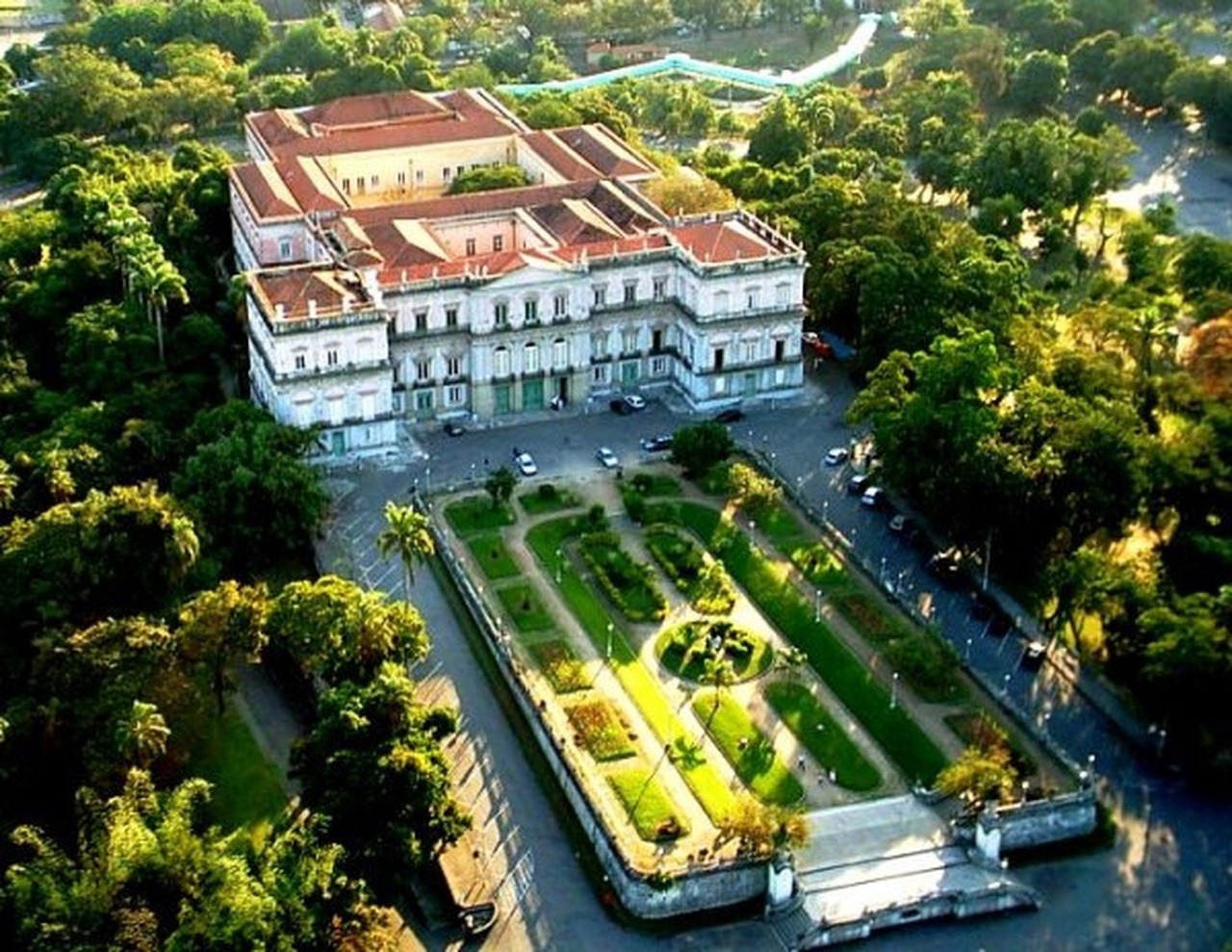
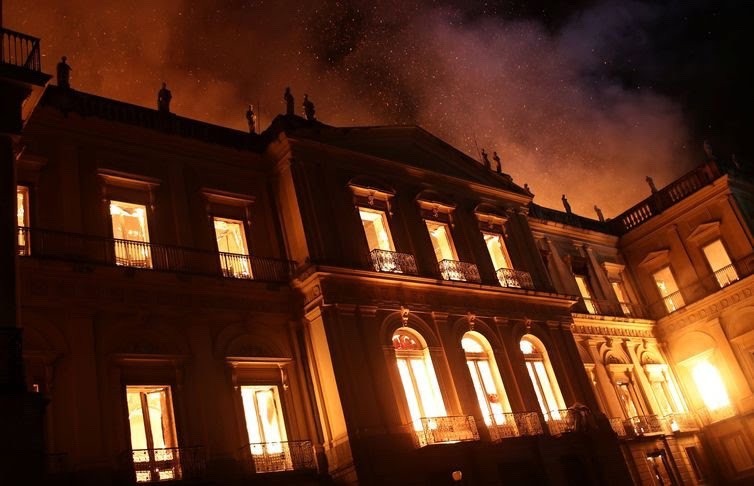
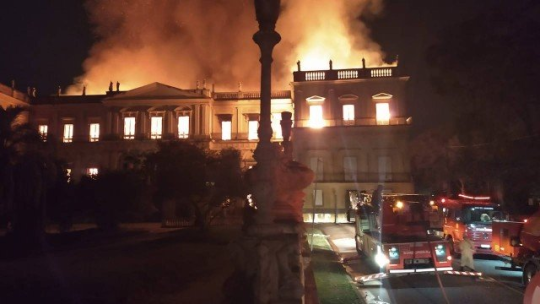
one of the oldest and arguably the most important museum in Brazil is burning to the ground as we speak. home to the portuguese royal family from 1808 to 1821, the Museu Nacional stored fossils, meteorites, pre-historic human skeletons and a variety of artefacts related to natural history. it holds two centuries of latin & brazilian history and now it’s all gone.
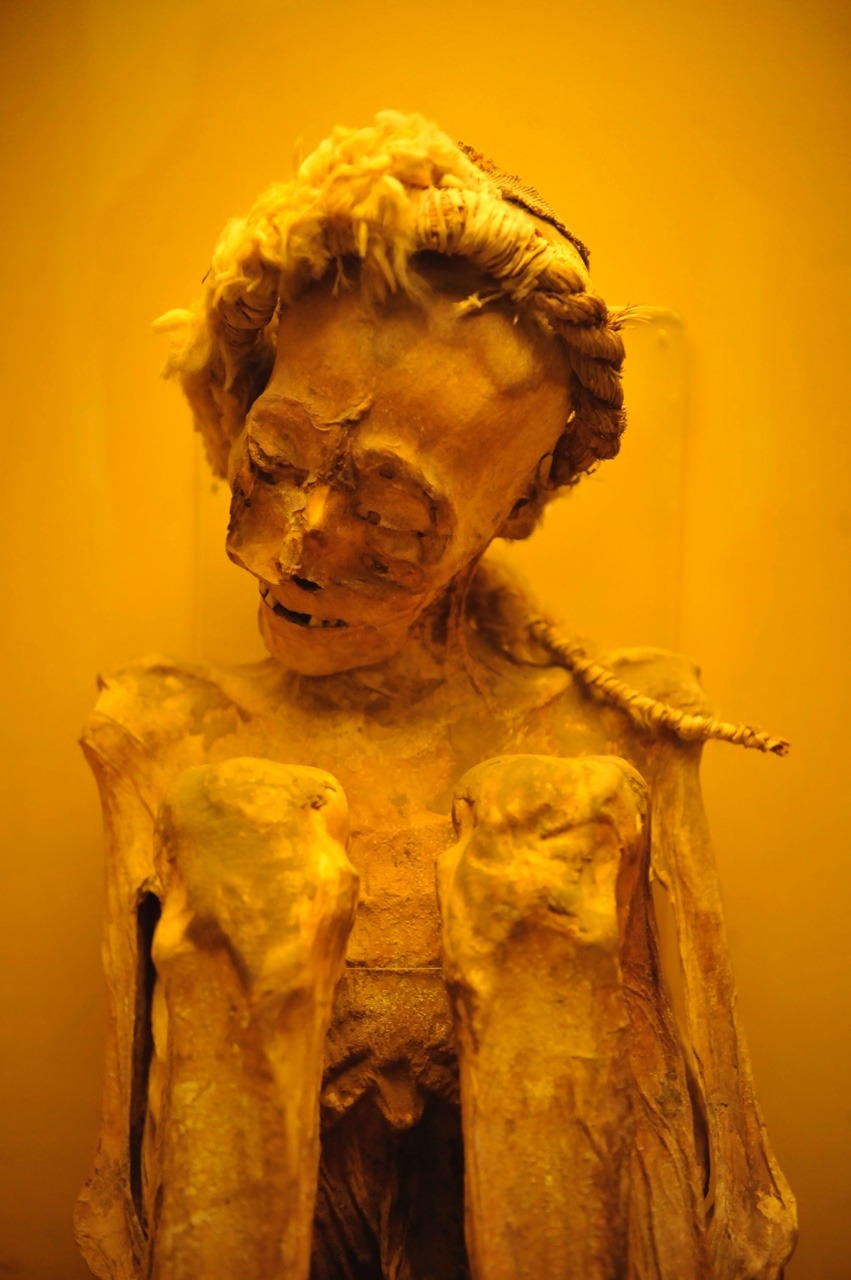
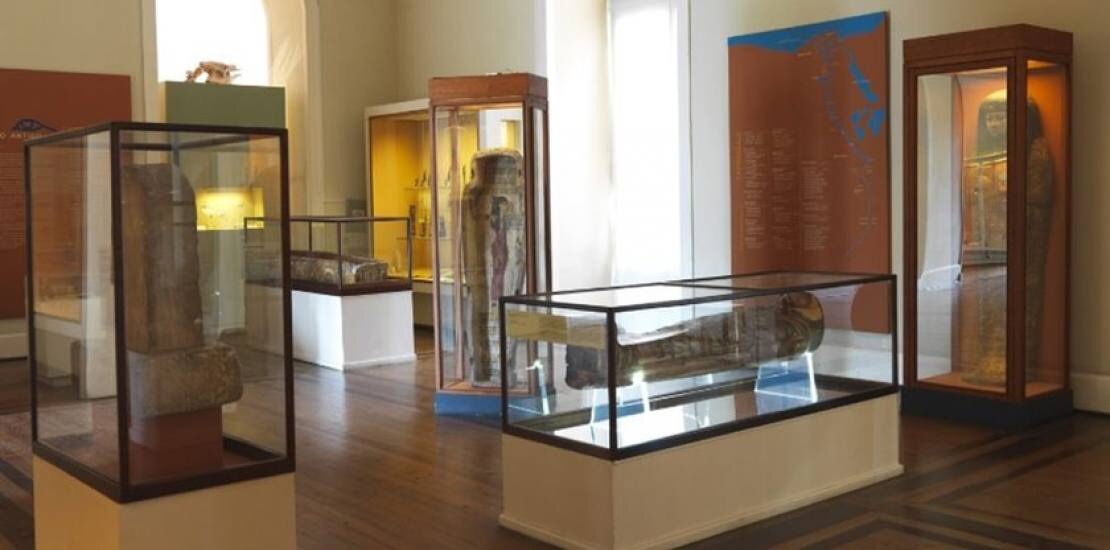
some of the things that are now lost forever: the largest collection of egyptian artefacts in latin america; the skeleton of the largest flying reptile ever found in Brazil; the oldest human fossil ever found in the country, named “Luzia” (over 11.000 y.o) and other 20 million extremely important relics and researches just burned to the ground. never to be seen again.
thanks to our government, of course, who didn’t want to pay the museum the necessary funds to make the essencial maintenances since 2014 (which by the way, costed less than a supreme federal court judge’s sallary: R$520 in a year).
another sad instance where the state’s indifference towards culture and history becomes painfully obvious. this is a massive blow to our cultural legacy.
all that in our independe week. happy independe for us, brazilians, who just lost our history and culture in a fire caused by ignorance and indifference.
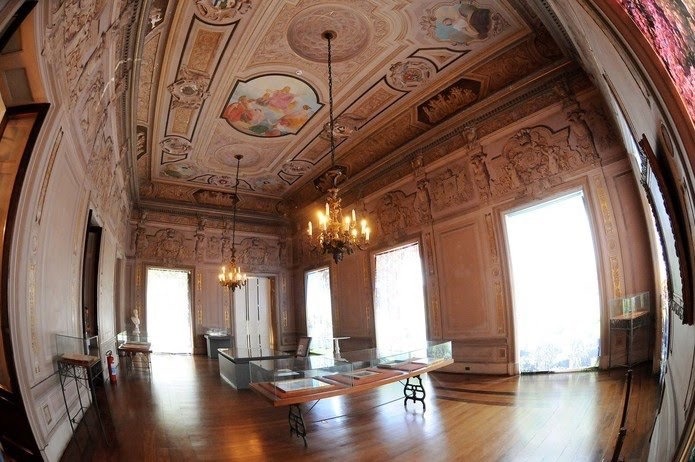
in case you’re wondering, this is what the museum used to look like:
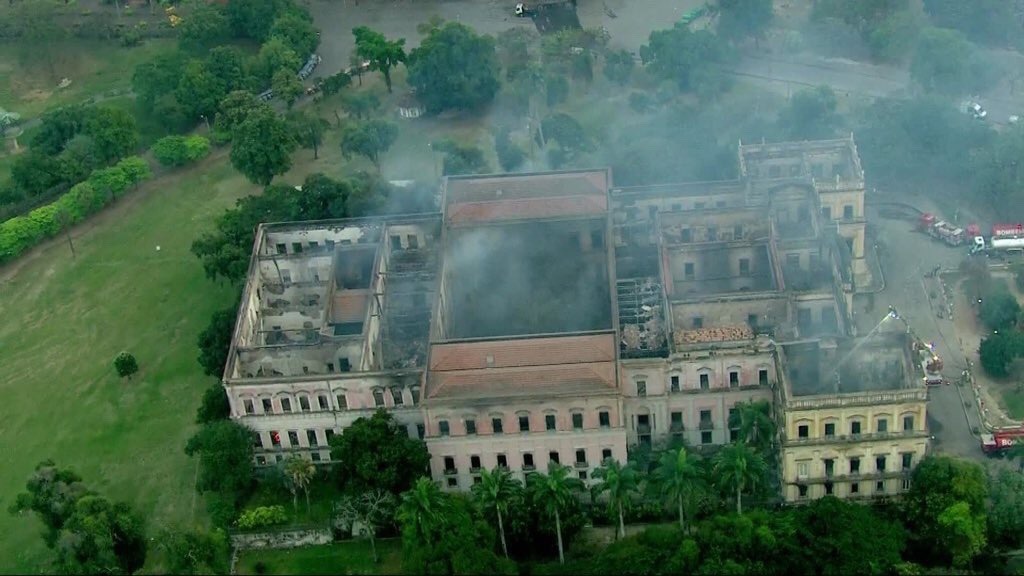
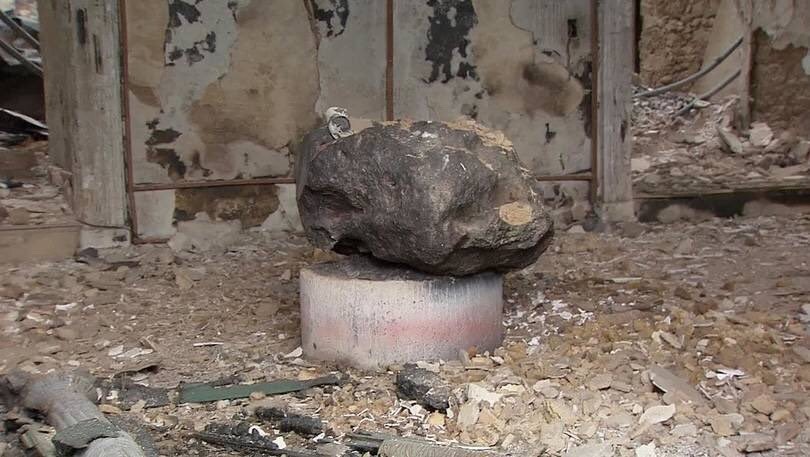
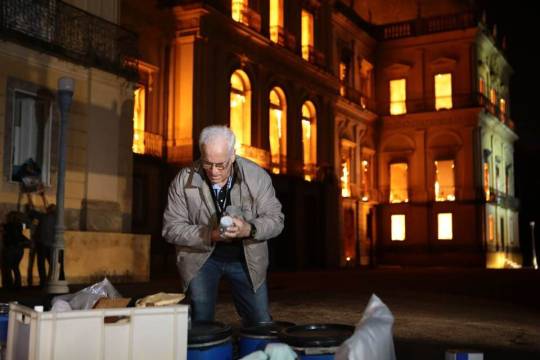
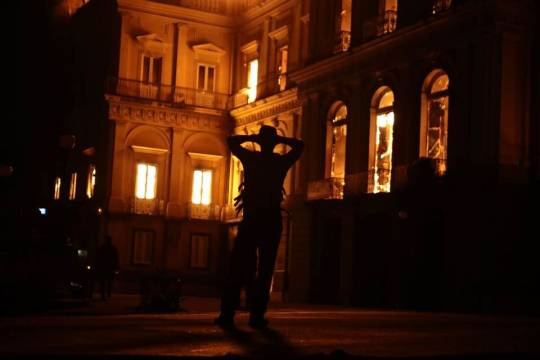
this is what it looks like now:
thousands of years of culture lost. happy independence week.
“Authorities say the fire lasted for six hours, causing irreparable damage. To put it bluntly: it’s all gone. A meteorite, that can sustain incredibly high temperatures, was found intact. But other than that, there are apparently no other pieces left. It would not be an understatement to call the Museu Nacional the Brazilian equivalent of the Louvre or the British Museum.”
here is some of the international news saying on this, because most articles and videos are all in portuguese, u can check some of the news in english: (here *new york times*) (here *bbc news*) (here *le monde* for french speaking readers) (here *shorouk news* for people who speak arabian) (here *azteca news* for spanish) (here *corriere della sera* for italian).
it was a natural science and historic museum, there were all sorts of important researches and relics. all burned. this was our culture. our history. the first human fossil found in brazil (mentioned above, Luzia) was so important for science, since it proved that way before indigenous tribes existed in Brazil, there were black people.
this is the place where our first constitution was made and the declaration of independence was signed. our independe day is this friday. heartbroken.
“We all knew the building was vulnerable.”
The hydrants nearby were dry; the building was old. It was the perfect storm of destruction, and a loss of this magnitude is devastating for the scientific community, for Brazil, and for the world.
Museums have the potential to do a lot of public good. One of the precious fossils this museum held was Luzia, mentioned above.
How much more could we have learned from her about the peopling of the Americas? What could her bones have told us about migration, about who the first people in Brazil were? And now she’s gone. She died again in that fire.
She’s not the only one, either. The museum held so much indigenous history, including many audio recordings of indigenous languages from all over Brazil. Some of these recordings, now lost, were of languages that are no longer spoken. Those languages are truly dead now- there’s no way to get those back. The natural history collections housed onsite? Gone. Some of those insect collections held unnamed species that are extinct and now we’ll never know about them.
And this isn’t just about the stuff, it’s about the people, too. The natural history and anthropology and fossil collections- how many scientists learned from them? How many kids fell in love with the natural world because of the displays? How many people were able to connect to the past because of those holdings?
Rio spent billions of dollars on the olympics, billions of dollars on stadiums that are now abandoned, less than two years later. The museum’s budget dropped to $84,000 last year. That was the whole budget for a museum that has served the world for two hundred years, a museum that was immensely valuable to the people of Brazil.
They’re never going to be able to rebuild, not to the scale they used to have. You don’t just build giant new natural history museums today- you can’t. The money doesn’t get allocated, the collections are impossible to reproduce. Two hundred years of cultural heritage and education are gone.
so, apparently the government has cut off the money from the museum (which has been asking for online donations to try to keep itself) and it’s likely that the cause was a short circuit in the electrical system. It is estimated that the collection has about 20 million items, ALL OF IT being destroyed by fire. é tão absurdo que eu não to nem acreditando
Amongst the 20 million items:
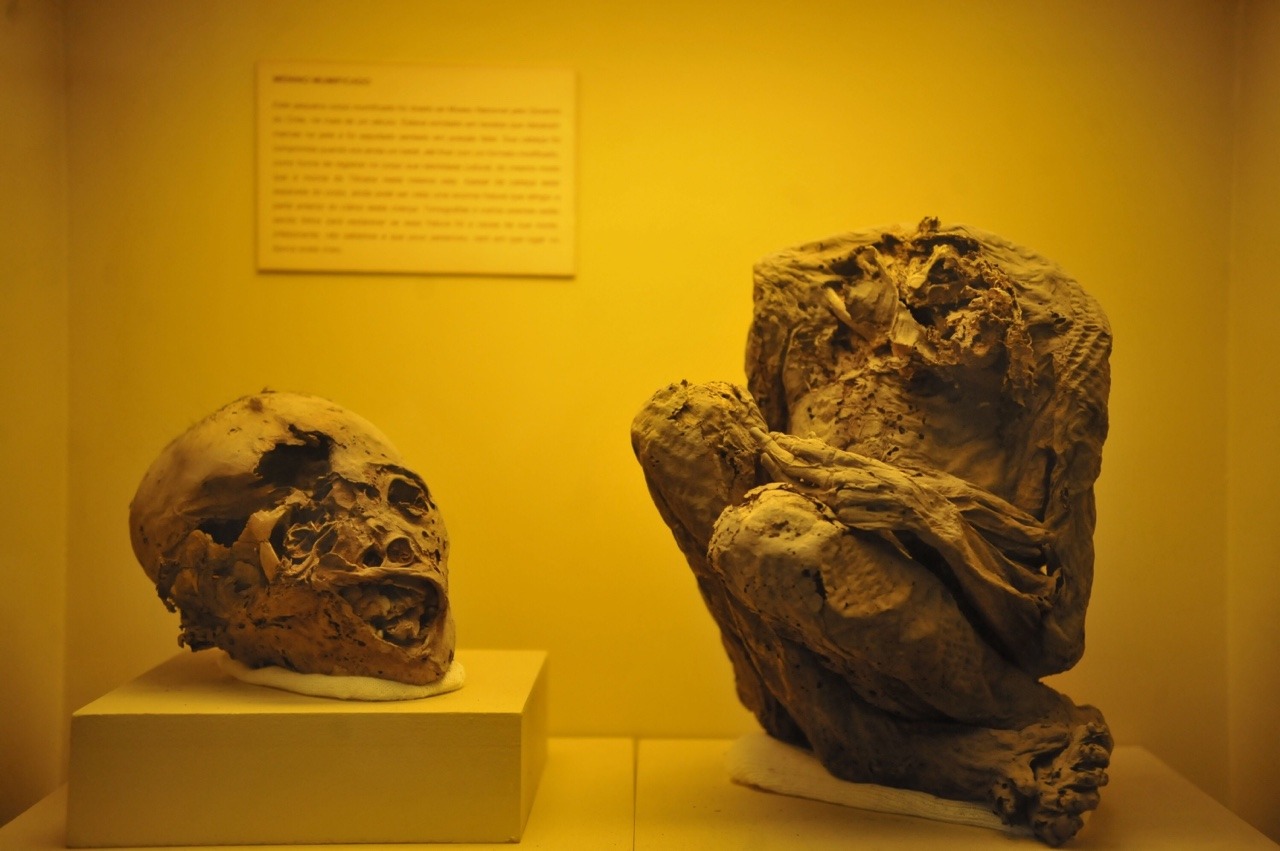
the first collection of Egyptian mummies of Latin America
the largest meteorite ever found in Brazil
the first large-sized dinosaur to be found in Brazil (
Maxakalisaurus topai)
the oldest human fossil ever found in the country
the collection of Greco-Roman art and artifacts of Empress Teresa Cristina
This is the destruction of our history.
Almost poetic, if you look at our current political situation, in which many Brazilians are supporting a man who says that the Military regime we had in the 60′s “didn’t kill enough people”.
London-based student Lewis Hornby is a grandson on a mission. When he noticed that his dementia-afflicted grandmother was having trouble staying hydrated, he came up with Jelly Drops—bite-sized pods of edible water that look just like tasty treats.
Each of these colorful “candies” is made up of mostly water, with gelling agents and electrolytes making up just 10% of their composition. Available in a rainbow of colors and presented in packaging reminiscent of a box of chocolates, Jelly Drops are an easy and engaging way to avoid dehydration—a common problem for those suffering from degenerative neurological diseases.
“It is very easy for people with dementia to become dehydrated,” he explains. “Many no longer feel thirst, don’t know how to quench thirst, or don’t have the dexterity to drink.” With this in mind, Hornby set out to find a solution. In addition to seeking advice from psychologists and doctors, he opted to “experience” life with dementia himself through the use of virtual reality tools and a week in a care home.
Once he was familiar with what dementia patients need, he brainstormed what they want. “From my observations, people with dementia find eating much easier than drinking. Even still, it can be difficult to engage and encourage them to eat. I found the best way to overcome this is to offer them a treat! This format excites people with dementia, they instantly recognize it and know how to interact with it.”
Case in point? Hornby’s own grandmother’s reaction: “When first offered, grandma ate seven Jelly Drops in 10 minutes, the equivalent to a cup full of water—something that would usually take hours and require much more assistance.”
The reasons so many neurodivergent people relate to narratives about AI are worlds different from the reasons allistic people dehumanize them with comparisons to robots.
One comes from a place of “I don’t see you as fully human, just a flawed facsimile of one, lacking vital components of full personhood and tragically incomplete”. The other comes from a place of “the rules weren’t created with me in mind, and so narratives about alternative forms of cognition and being resonate with me deeply”. It’s less a case of people ‘dehumanizing themselves’, than it is recognizing how their differences can alienate them from other people.
Robot stories, pretty much by definition, explore concepts like empathy, emotions, affect, and, more generally, “social instincts”. I can’t provide statistics for this claim, but for the most part, robot stories are about being sympathetic and accepting of ‘otherness’ in these respects. Sometimes…. this isn’t executed very well. At all. Which is why I write two-thousand word rants about Star Trek and emotion chips. But for people who struggle with these things, or in whom they manifest differently, stories about ‘alternative personhood’ are in some ways more accessible and relatable than stories about characters whose personhood is never questioned.
So, rather than purge all associations between AI and neurodivergence because it’s.. inherently harmful and dehumanizing or something, I would rather see autistic and other neurodivergent people encouraged to explore these narratives from their own perspectives.








 A Middleground